Skip to content

Cart

Your cart is empty

Article: Drawing Techniques
Drawing Techniques

Drawing Techniques

Drawing with pencils is a timeless art form that has been practiced for centuries. It is a versatile and widely accessible medium that allows artists to create intricate and expressive works using a simple tool—the pencil. Whether you are a beginner or an experienced artist, pencil drawing is a fundamental skill that forms the basis for many other art forms.


The following techniques will help you to build in good base in pencil drawing :


Layering

When we will talk about layering using pencil is a different story than what you have heard about layering in paints, because graphite is not a transparent medium, so you can finish your artwork even in single layer.

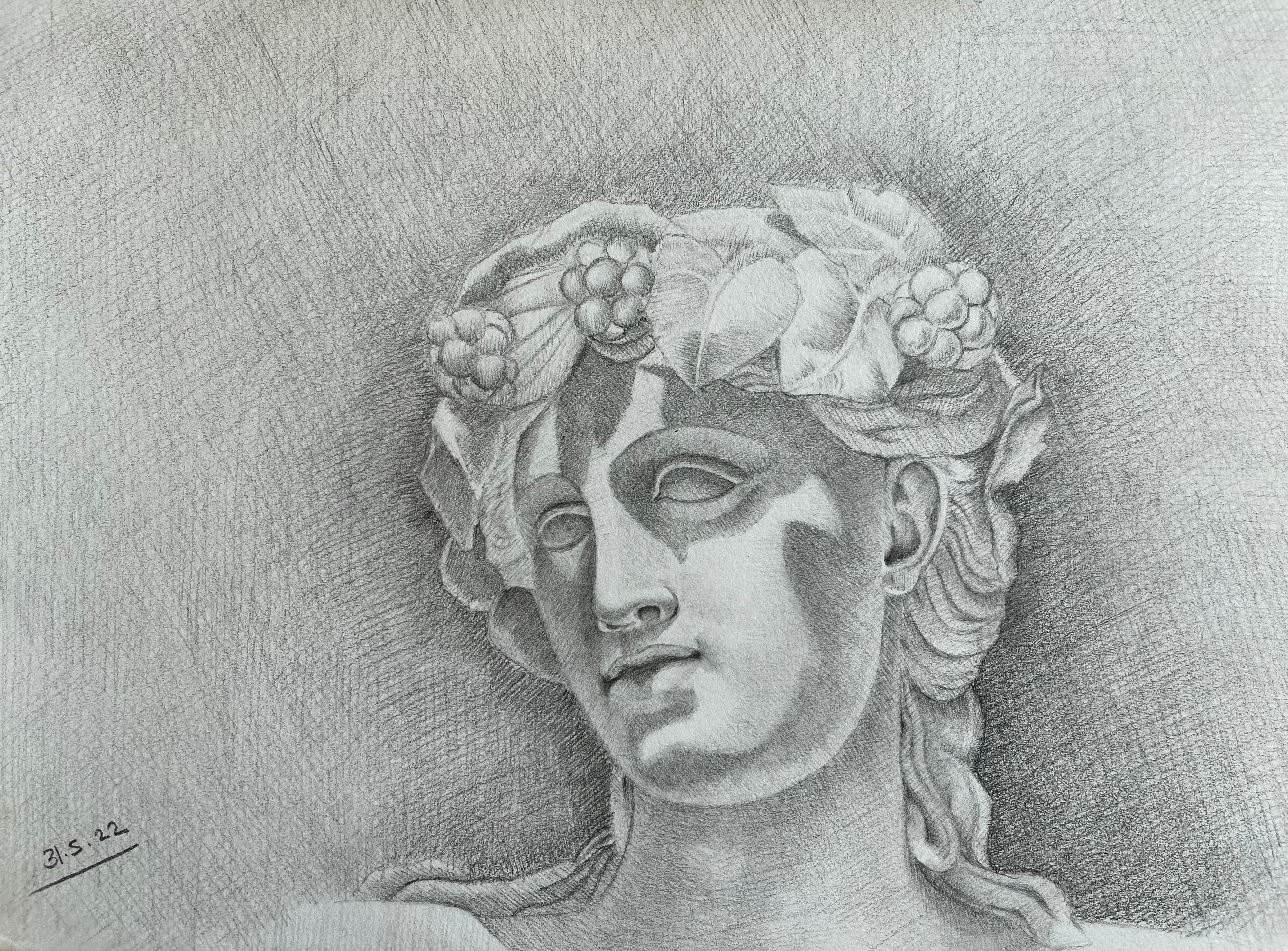
The concept of layering using pencil is adding multiple light layers of graphite in order to have dark shades. This way is an excellent way to create realistic artwork especially during portrait drawing, very smooth transition between the light and shade, also starting with light strokes will help you to correct your lines smoothly without any marks.

 In this portrait I have used the layering technique, you can notice how realistic it is, and the smooth transition between shades, and how it gives 3d feeling.


Underdrawing 

The underdrawing is the first layer or the first stage of your artwork. This is especially true for pieces that require more accuracy or time investment. 

Draw a fine, light line to outline the main features of your subject. Then build on this layer afterwards with layers of shading. 

Shading techniques

Linear drawing techniques like hatching and cross hatching can create texture, value, and the illusion of form and light. Typically used as an application technique when the medium is linear in nature, hatching and cross hatching are often used together.

Both methods are effective for various drawing mediums like pen and ink, graphite, colored pencil, and pastel.

Hatching

Hatching is achieved by using non-crossing lines to indicate value on or around an object. The amount of value added to the object depends on the positioning of a light source. More marks are applied in areas of core shadow and cast shadow, while lighter areas should have fewer marks.When hatching is used, the lines drawn generally go in the same direction and are mostly parallel with each other. 


To achieve success with the hatching technique, hold the pencil loosely. Instead of applying pressure and using your wrist to draw, try to keep your wrist straight and move your elbow. This will result in longer, lighter, and more sweeping hatched lines.To achieve longer hatch lines, maintain a steady elbow position while moving your shoulder to create pencil lines. It is important to reevaluate your pencil grip, especially if you are a self-taught artist, as fundamental techniques can be easily overlooked.

Cross hatching

Cross hatching involves drawing parallel lines next to each other to create varying values of light and dark. Next, draw perpendicular lines on top of the initial lines using a similar hatching technique. Rembrandt employed this drawing method in his etchings, ink illustrations, and silver point works. Utilize this technique with pen, graphite, charcoal, or pen for its versatility. Combine it with other techniques on the list to achieve a range of effects. Cross hatching adds a captivating texture when viewed up close, but from a distance, it conveys smoother shading.


 Detail work

Incorporating intricate details enhances the depth and realism of a drawing. For detail work, make sure your pencil is sharpened to a fine point. Hold the pencil near the tip for greater precision. Creating highly detailed artwork demands thoughtful deliberation and patience. You'll quickly discover the gratifying process of immersing yourself in the intricate details.


What supplies do I need for drawing?

  • Pencils
  • Sharpener
  • Eraser
  • Sketchbook
  • Paper blending stump 

Read more

OIL PAINTING TECHNIQUES

OIL PAINTING TECHNIQUES

Before you dive into the world of oil painting, it's important to understand the three fundamental rules that should be applied in any oil paint work. These rules are fat over lean, thick over thi...

Read more