
OIL PAINTING TECHNIQUES
Before you dive into the world of oil painting, it's important to understand the three fundamental rules that should be applied in any oil paint work. These rules are fat over lean, thick over thin, and slow-drying over fast-drying. By following these guidelines, you can ensure that your oil paintings will last for years to come without cracking or flaking.
Scumbling

Claude Monet, Water Lilies, 1916
Scumbling is a painting technique that can add depth and texture to your artwork. By using a dry, stiff bristle brush to apply a thin layer of paint over a previous dry layer, you can create a unique and interesting effect on your canvas. This technique is perfect for artists who want to add more dimension to their paintings. Scumbling is mostly done over dry paint, but it can still be achieved over wet paint. However, if done over wet paint, the artist should be careful not to blend the paints together.
Scumbling is a painting technique that allows the first layer of paint to show through the scumbled layer, creating a unique and textured effect. Originally developed for oil painting, this technique can now be used with other mediums such as acrylic and watercolor. Scumbling was often used by Claude Monet .
Chiaroscuro

Georges de La Tour, Saint Jerome Reading
Chiaroscuro or " Light Dark " is a technique that has been arose by Renaissance artists to create dramatic and visually stunning works of art. This technique involves the use of strong contrasts between light and dark to create a three-dimensional effect that draws the viewer's eye to the subject. With Chiaroscuro, you can add depth and drama to your artwork, making it stand out from the crowd. It is recommended when using this technique to start with the light focus (a lamp, candle, flashlight, etc.) and work outwards from there.
Glazing

The Nut Gatherers, by William-Adolphe Bouguereau, (1882)
Glazing is a popular oil painting method that has been used since the Renaissance era. This technique involves applying thin, transparent layers of paint over an opaque base layer to create a luminous and vibrant effect.
With glazing, you can achieve a beautiful multi-faceted effect that will make your artwork stand out. Inspired by Vermeer's art, this slow and laborious process is worth the wait as it creates rich, glowing color that will leave a lasting impression.
Alla Prima (Wet-on-Wet)

Introducing Alla Prima, the perfect technique for artists who want to complete their paintings in one sitting.
This wet-on-wet painting technique allows painters to apply wet paint on a wet surface, directly mixing and blending colors on their canvas, but it is a challenging technique. Many Impressionist masters used this technique to capture evasive details as fast as possible, and to paint landscape and life drawing.
Impasto

Impasto painting is often associated with Van Gogh, as he used this technique to create his signature style. It entails applying thick strokes of paint onto a canvas. It adds dimension, texture, and movement. For example, impasto can help achieve the illusion of distance by building up thick paint in the foreground and gradually thinning paint as the background lessens. Artists can use a brush or even a palette knife to achieve the impasto technique.
Read more
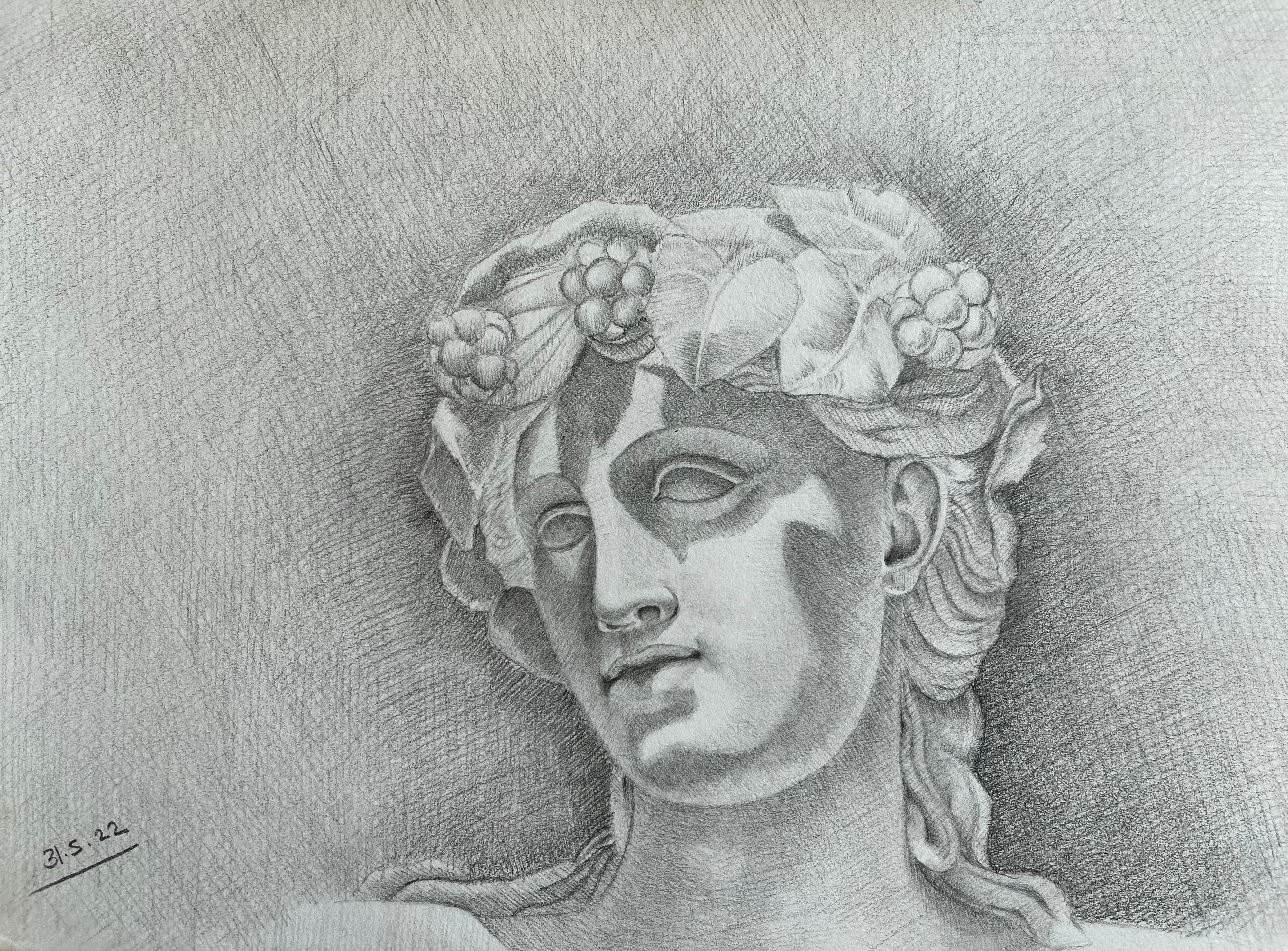
Drawing with pencils is a timeless art form that has been practiced for centuries. It is a versatile and widely accessible medium that allows artists to create intricate and expressive works using...
Read more